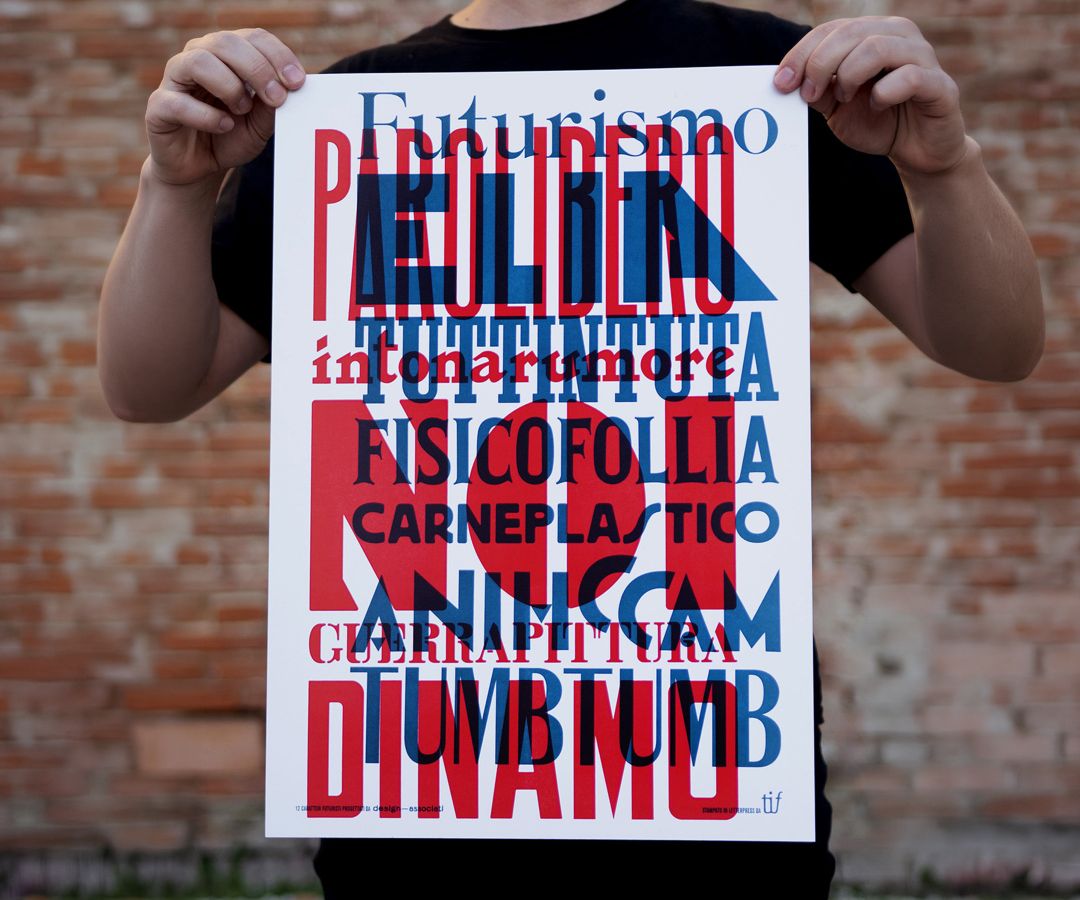
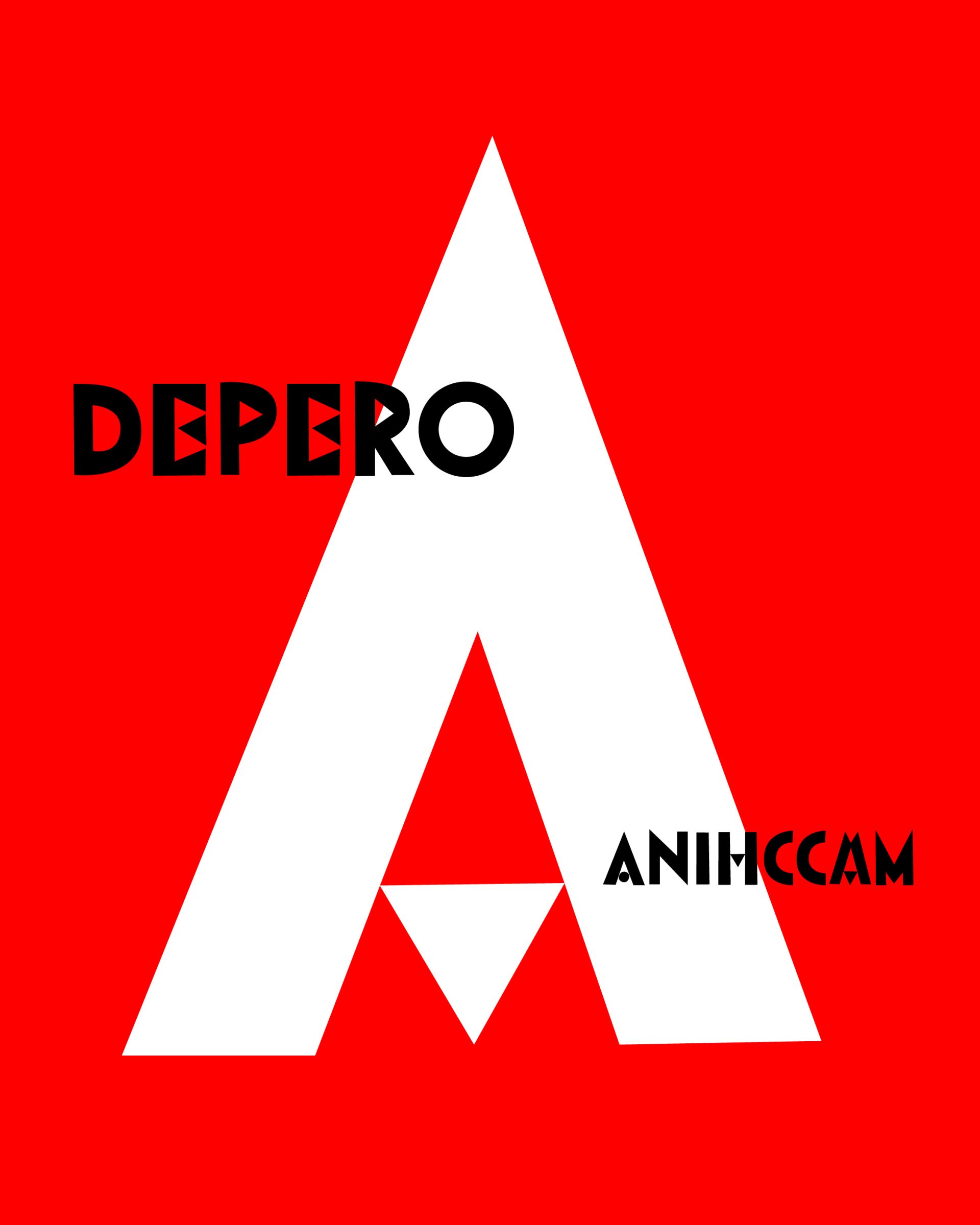
DA Anihccam
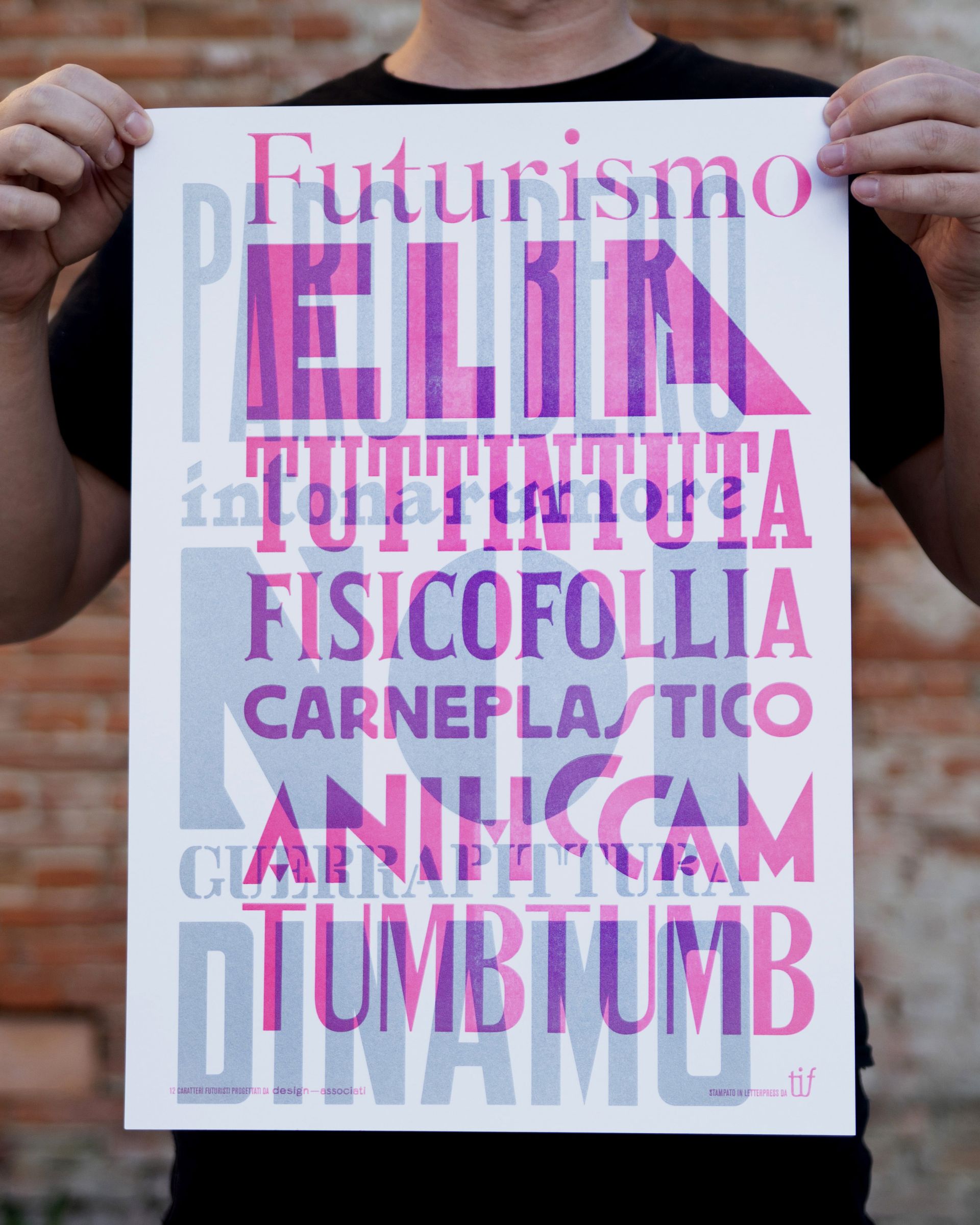
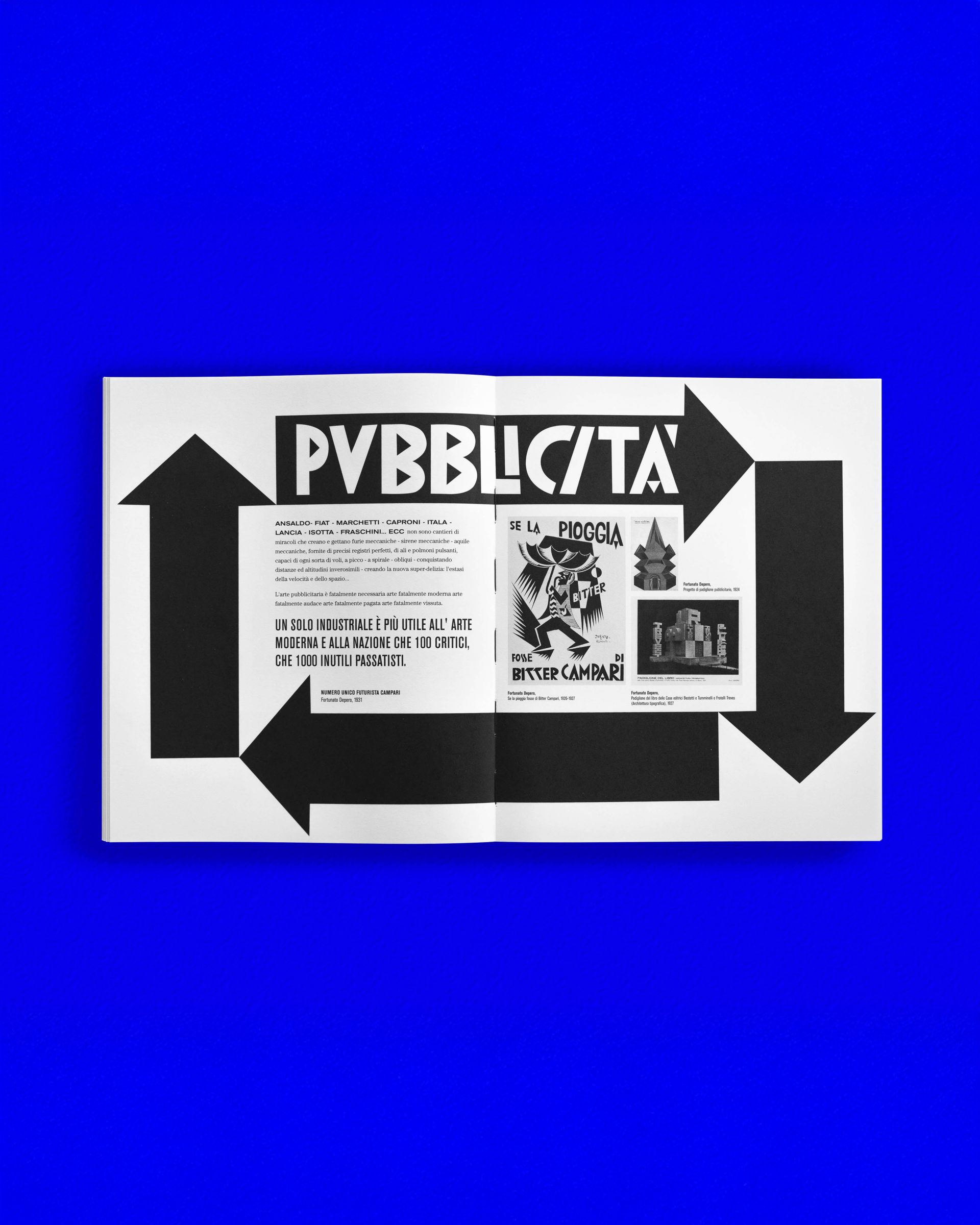
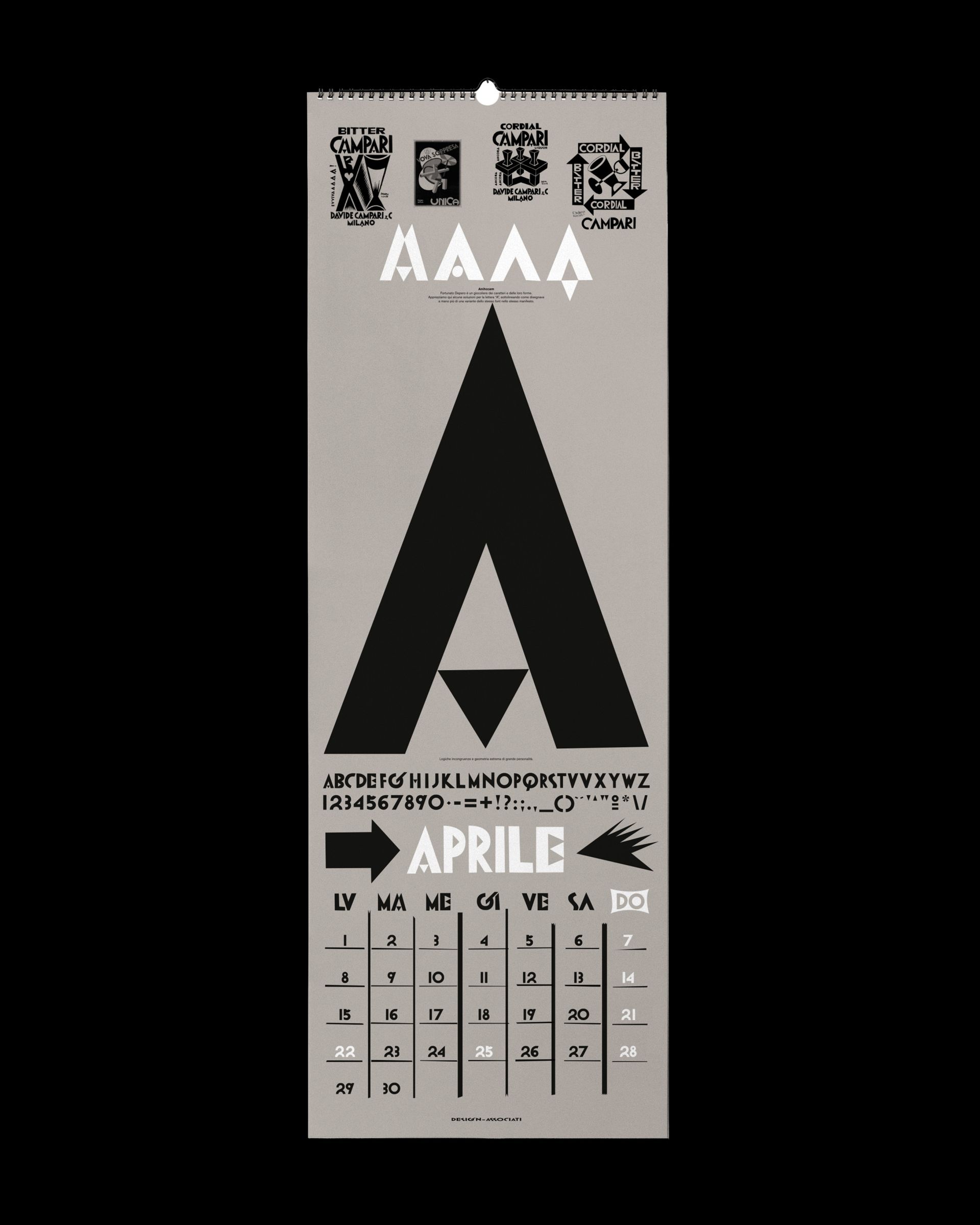
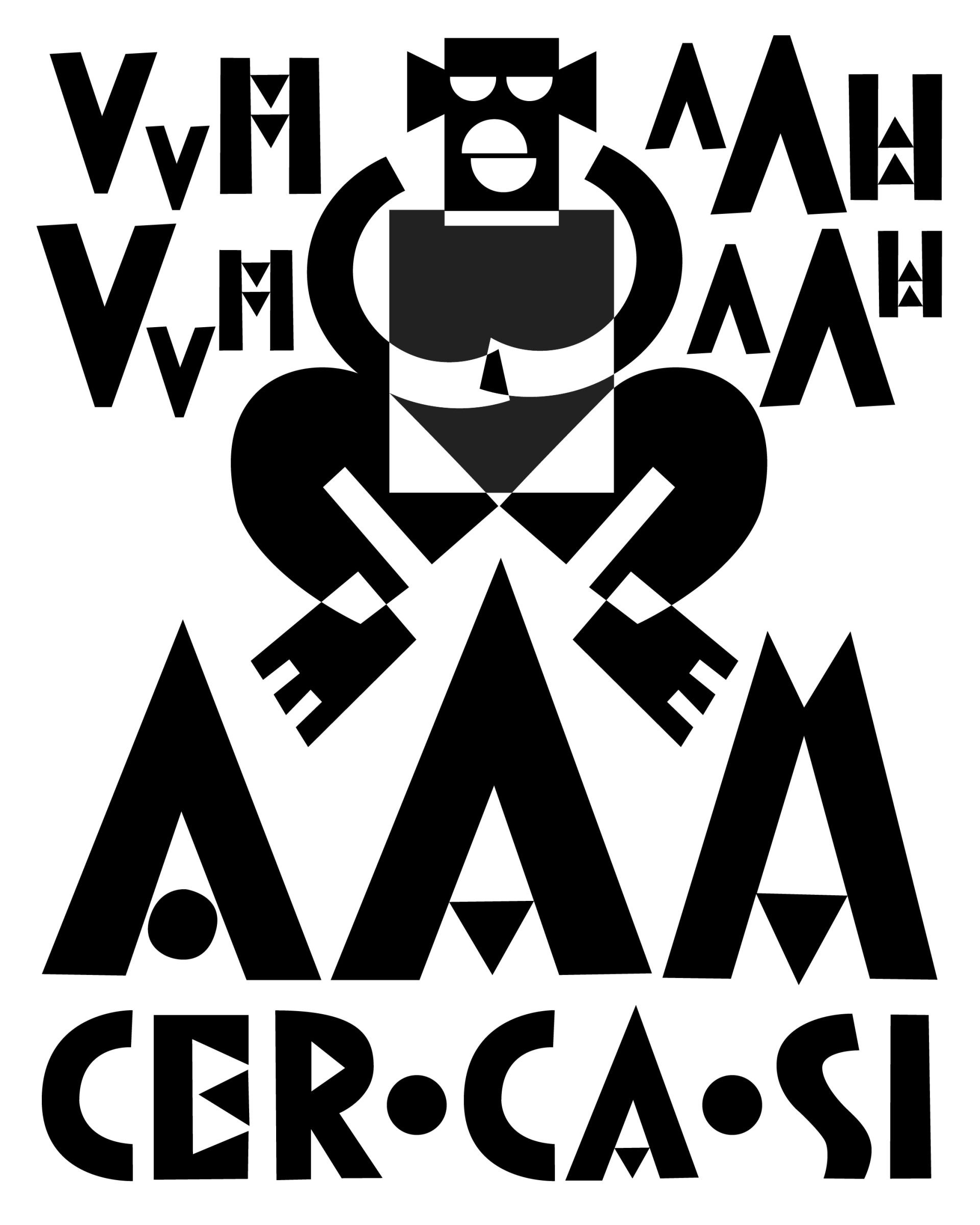
DA Anihccam is a typeface developed from research on the lettering and advertising compositions of Fortunato Depero for Campari. A central figure of Italian Futurism, Depero conceived the letter as a dynamic element, capable of transcending its alphabetical function to become image, structure, and visual rhythm. This approach, positioned between typography and applied art, forms the conceptual foundation of the typeface.
The name derives from Anichcam del 3000 (1924), a mechanical ballet in which Depero translated movement into a synthetic and modular form. Similarly, the typeface reinterprets the principle of “logical incongruity”: letters constructed through radical geometries, unexpected juxtapositions, and formal variations that disrupt typographic standardization. Each sign assumes an autonomous quality, oscillating between letter and object, between graphic mark and micro-architecture.

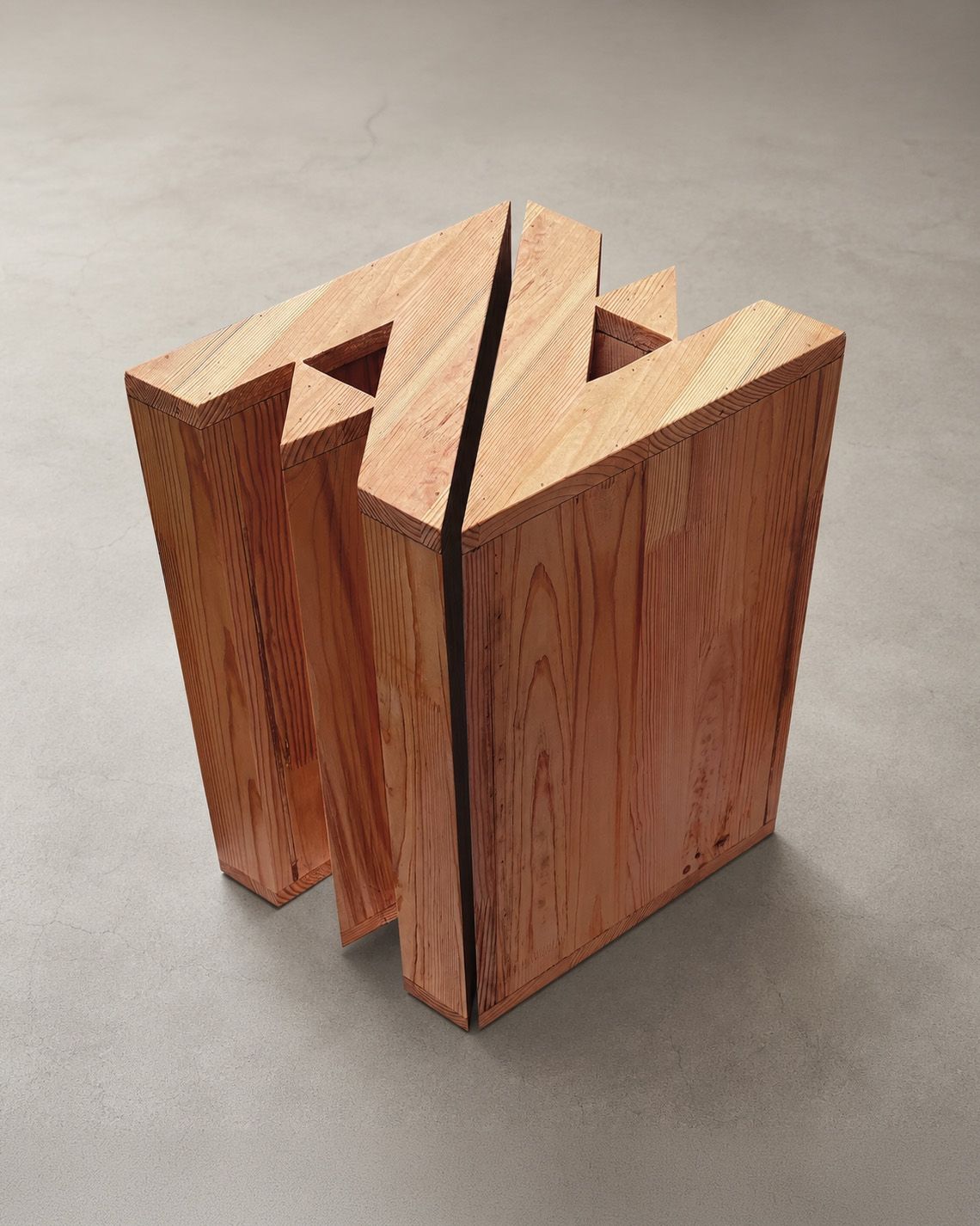
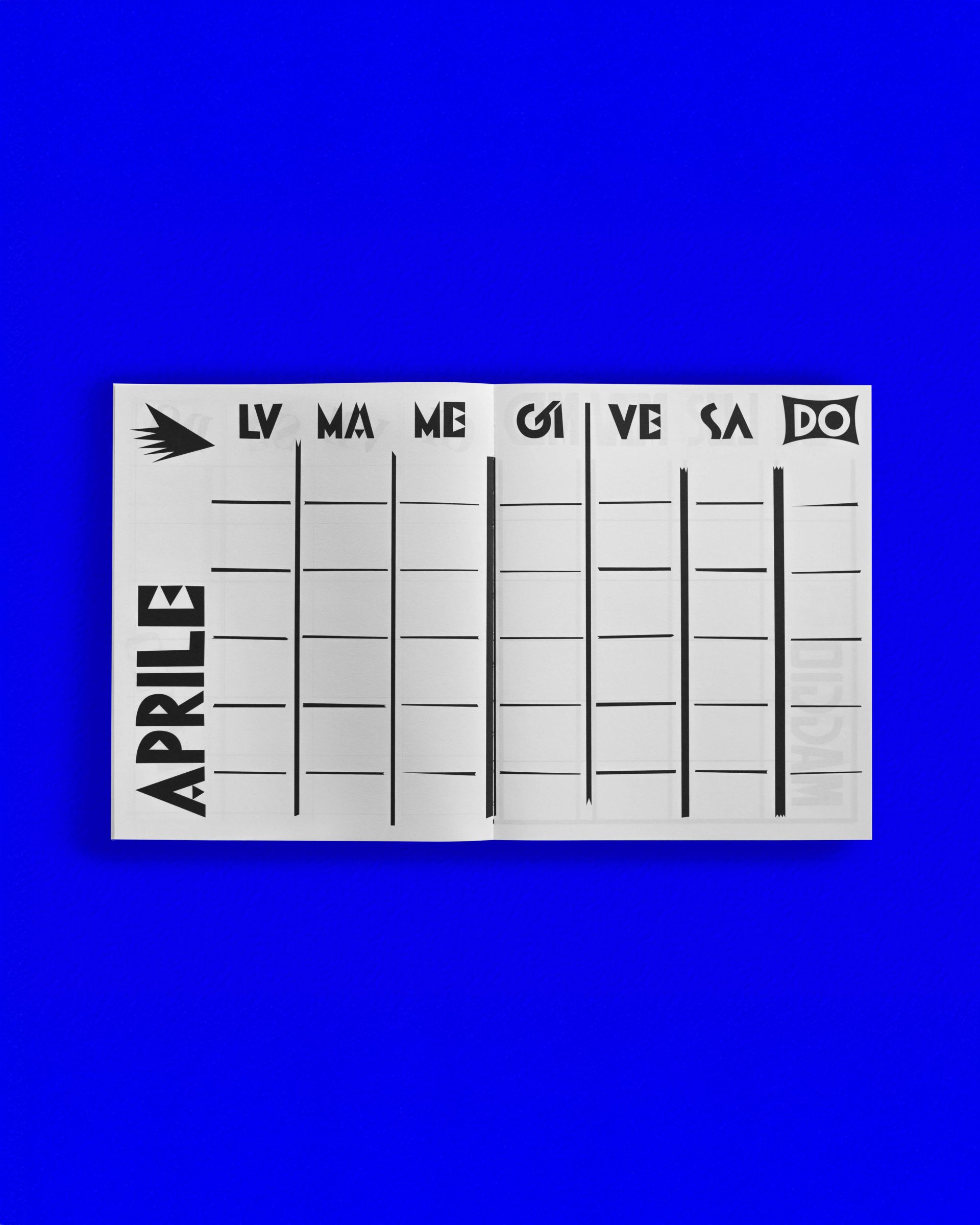
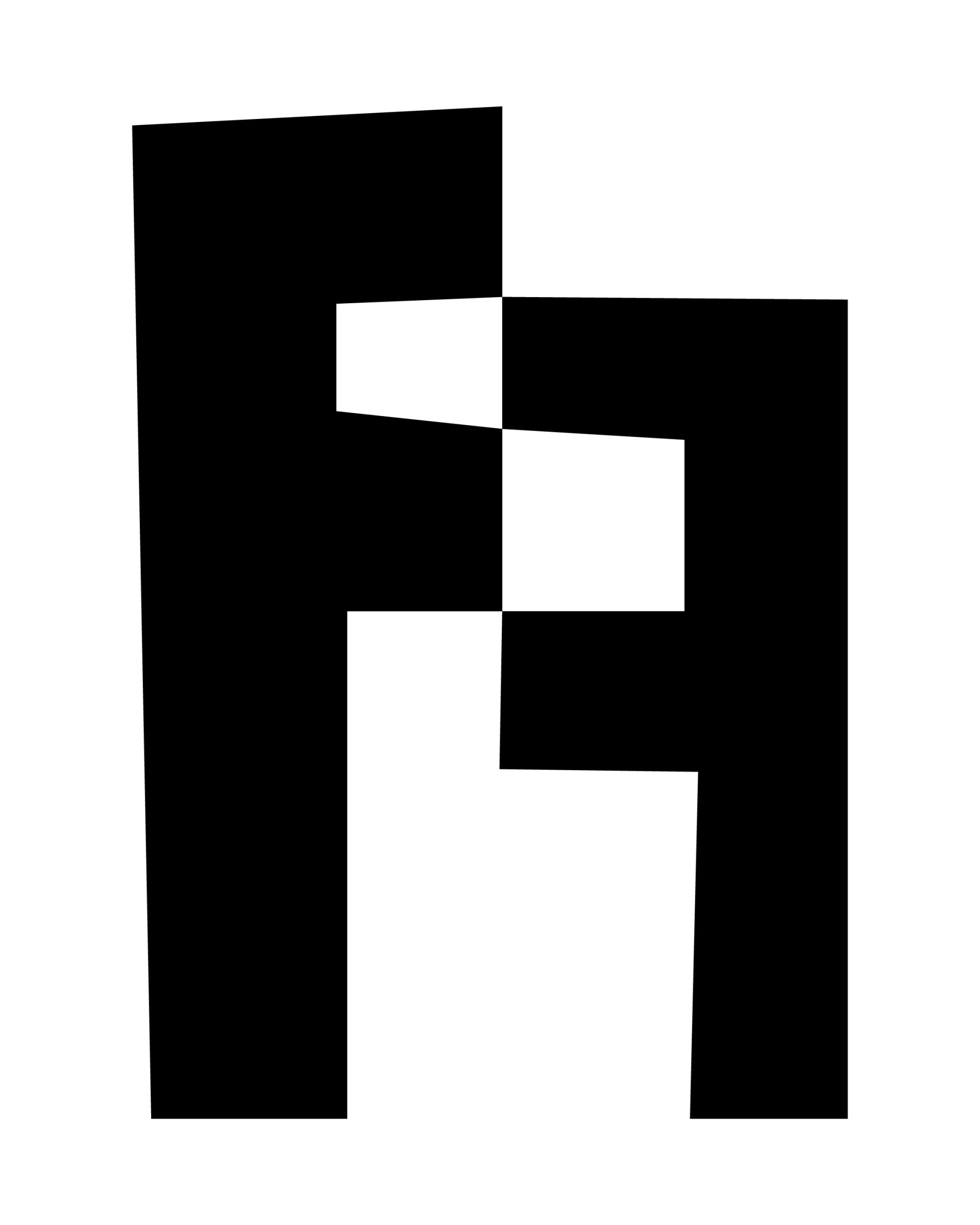
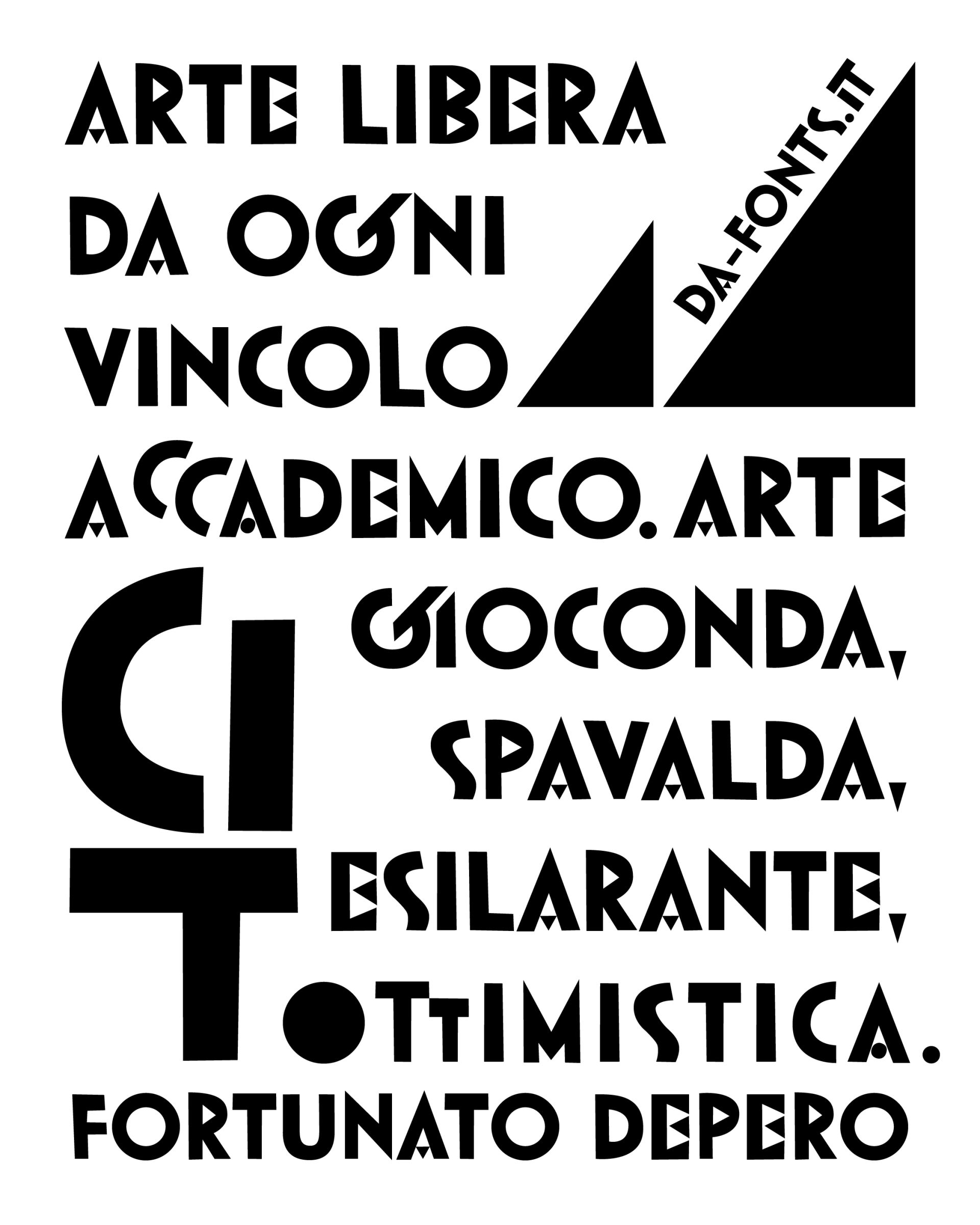
Morphologically, DA Anihccam presents an irregular and experimental structure: broken stems, pronounced triangulations, circular modules, and diagonals that generate a controlled instability. The construction is strongly modular yet non-systematic, with intentional variations introducing discontinuity and rhythm. A distinctive feature is the presence of multiple variants for certain letters, particularly the “A”, reflecting Depero’s practice of reinventing the sign within the same artifact. Contrast is absent, replaced by solid fills and a mass-based construction.
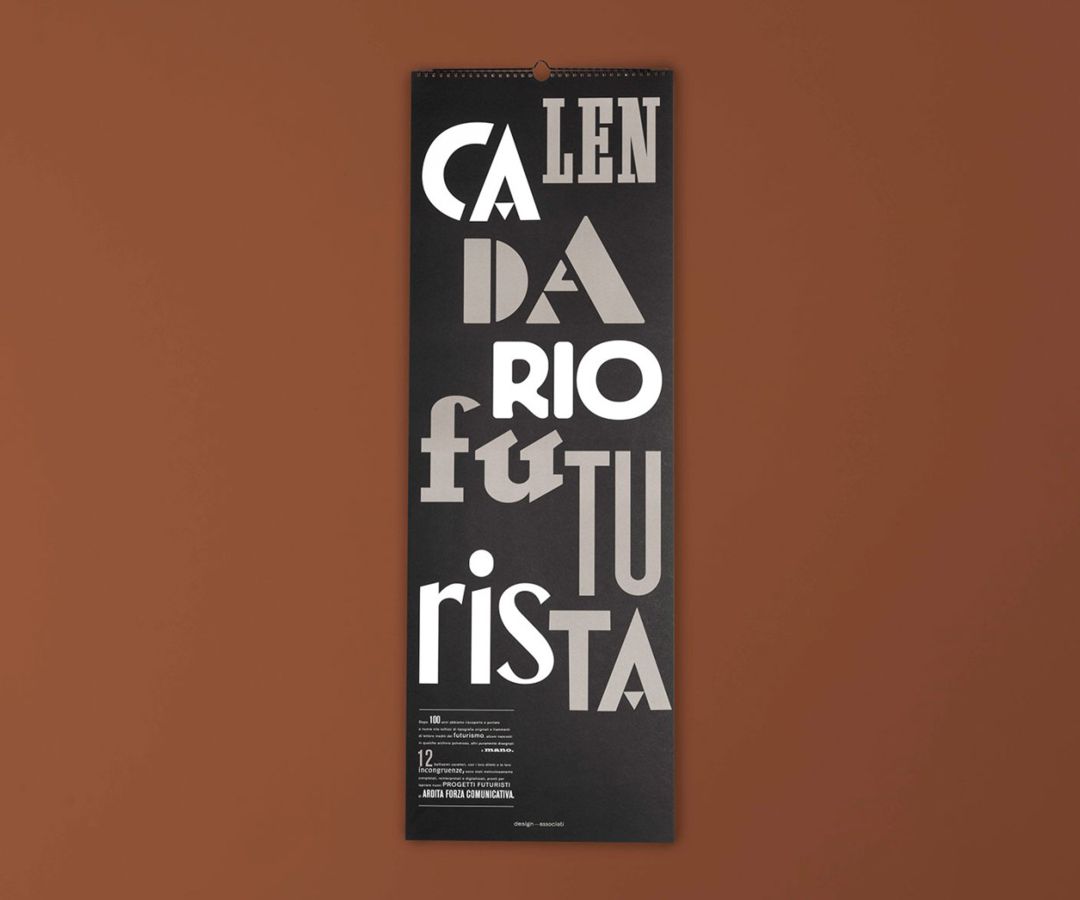
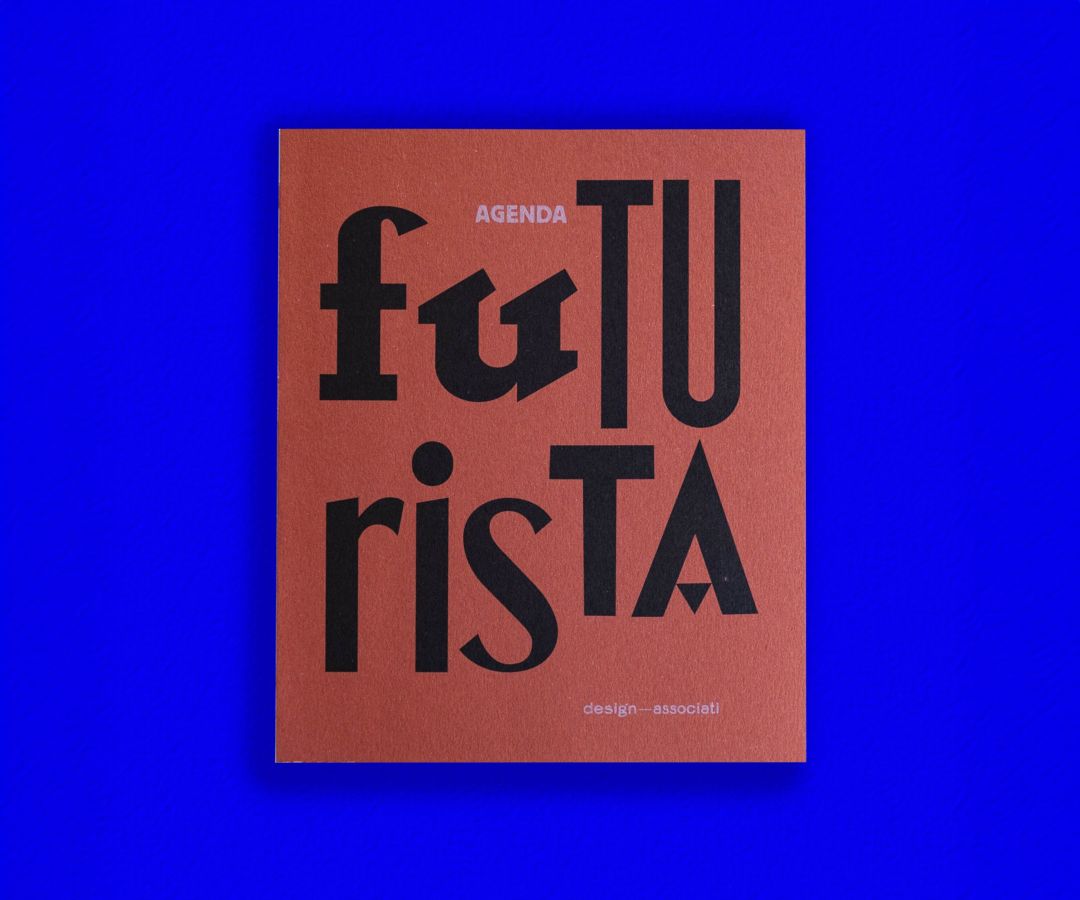
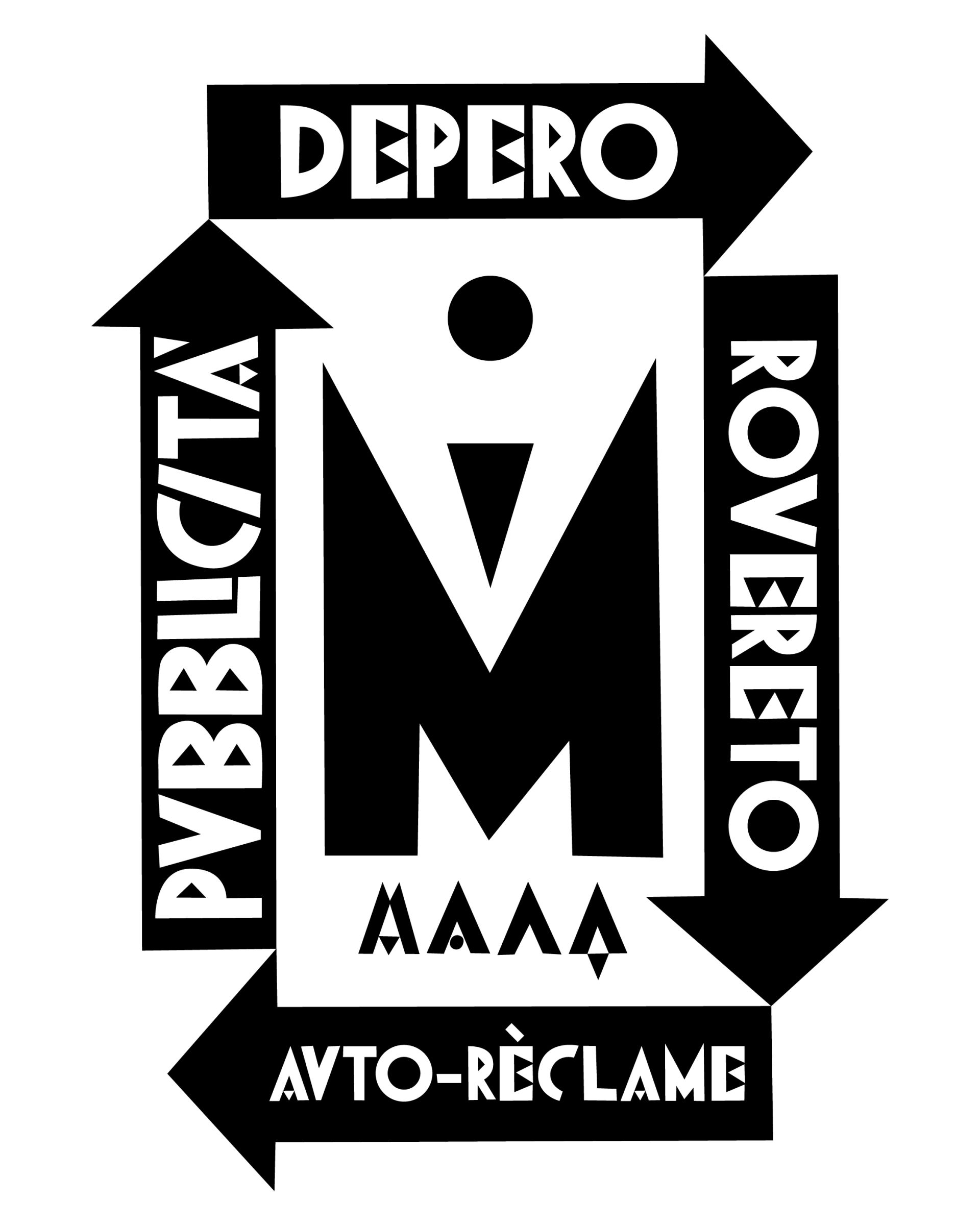
Designed for titling and expressive projects, the typeface translates the plastic and communicative energy of Futurism into typographic language, maintaining a constant tension between decoration and function.
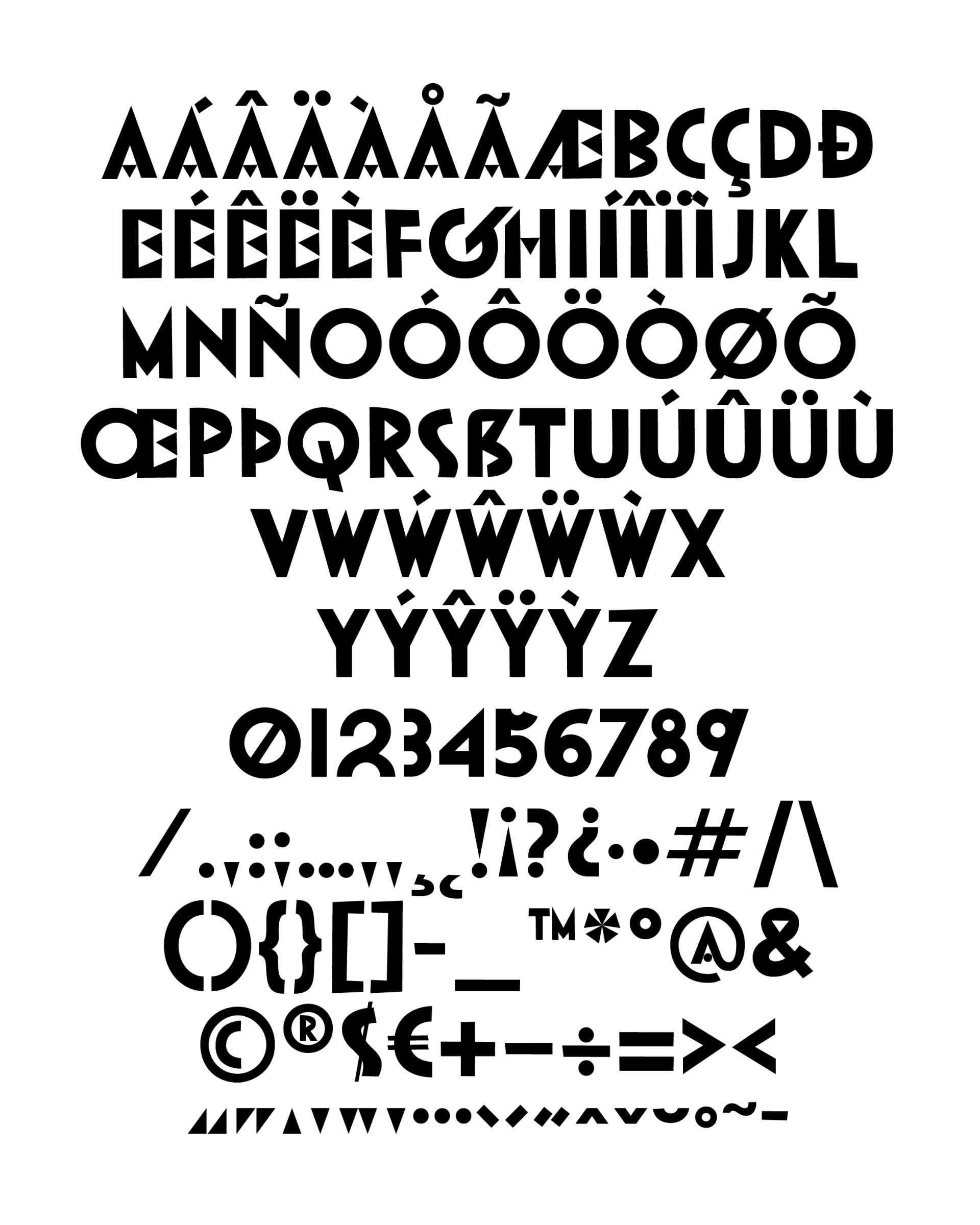
Glyphs
Basic Latin
Latin-1 Supplement
Latin Extended-A
Supported Languages
Our fonts only support Latin script based languages. The languages listed below is base on the unicode coverage, yet it doesn't ensure the local glyph variations. Feel free to reach out to us for inquiries or to request specific localizations.
Afrikaans, Albanian, Asu, Basque, Bemba, Bena, Breton, Catalan, Chiga, Colognian, Cornish, Croatian, Czech, Danish, Dutch, Embu, English, Esperanto, Estonian, Faroese, Filipino, Finnish, French, Friulian, Galician, Ganda, German, Gusii, Hungarian, Icelandic, Inari Sami, Indonesian, Irish, Italian, Jola-Fonyi, Kabuverdianu, Kalenjin, Kamba, Kikuyu, Kinyarwanda, Latvian, Lithuanian, Lower Sorbian, Luo, Luxembourgish, Luyia, Machame, Makhuwa-Meetto, Makonde, Malagasy, Maltese, Manx, Meru, Morisyen, Northern Sami, North Ndebele, Norwegian Bokmål, Norwegian Nynorsk, Nyankole, Oromo, Polish, Portuguese, Quechua, Romanian, Romansh, Rombo, Rundi, Rwa, Samburu, Sango, Sangu, Scottish Gaelic, Sena, Serbian, Shambala, Shona, Slovak, Slovenian, Soga, Somali, Spanish, Swahili, Swedish, Swiss German, Taita, Teso, Upper Sorbian, Uzbek (Latin), Volapük, Vunjo, Walser, Welsh, Western Frisian, Zulu.
Font in use