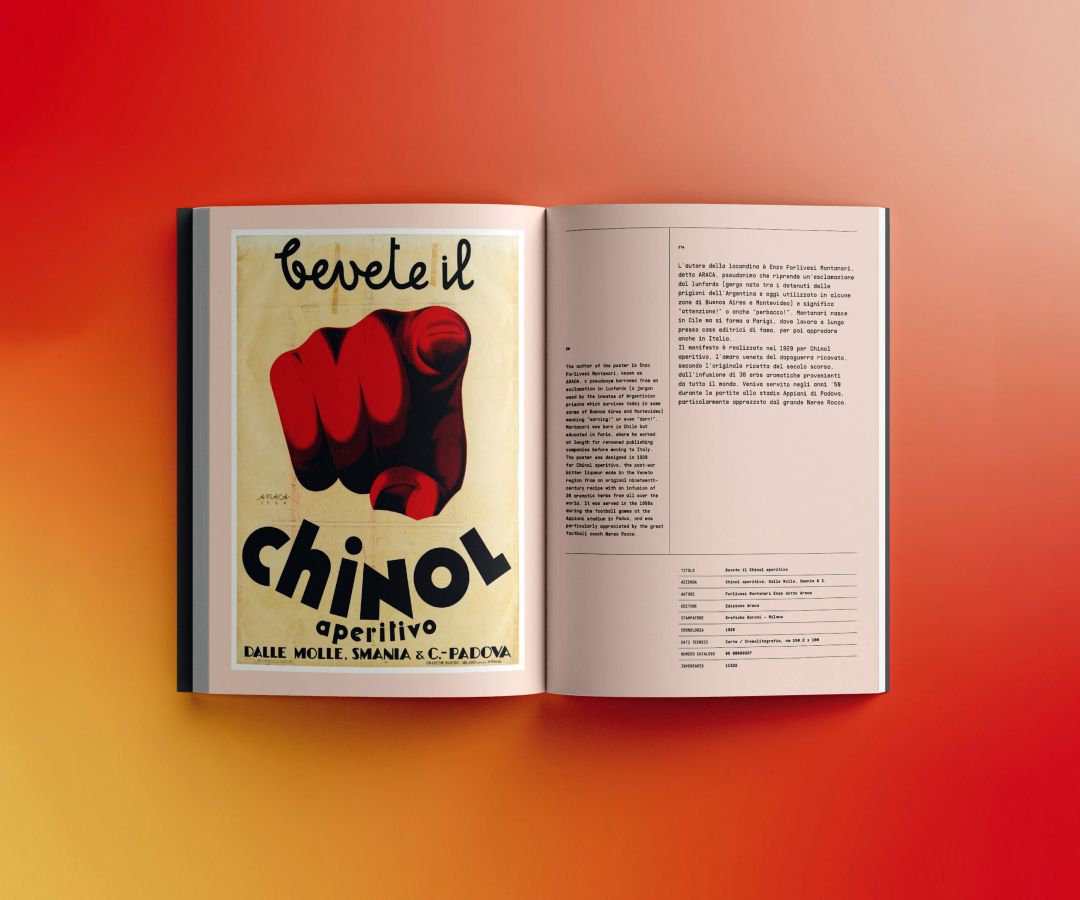
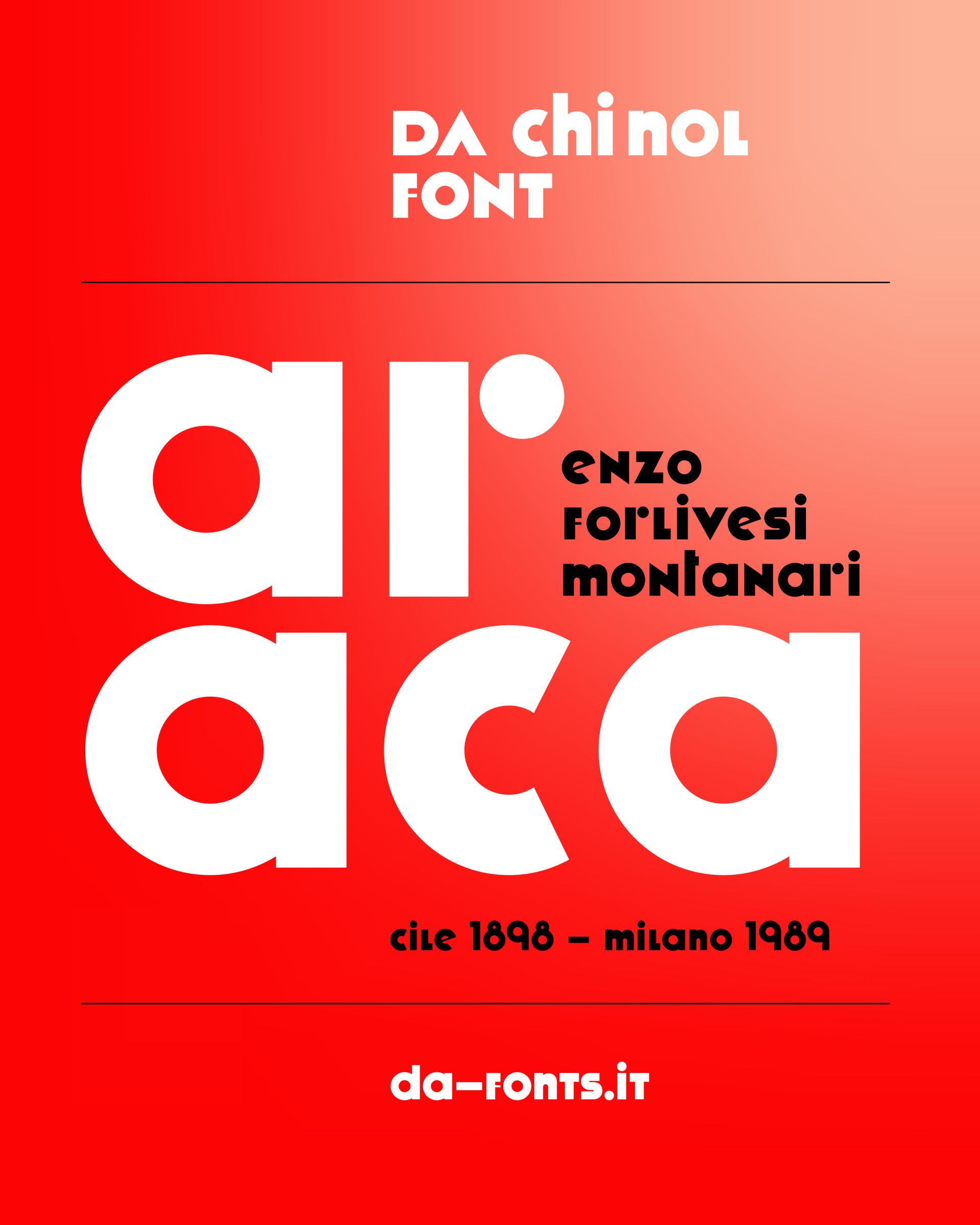
DA Chinol
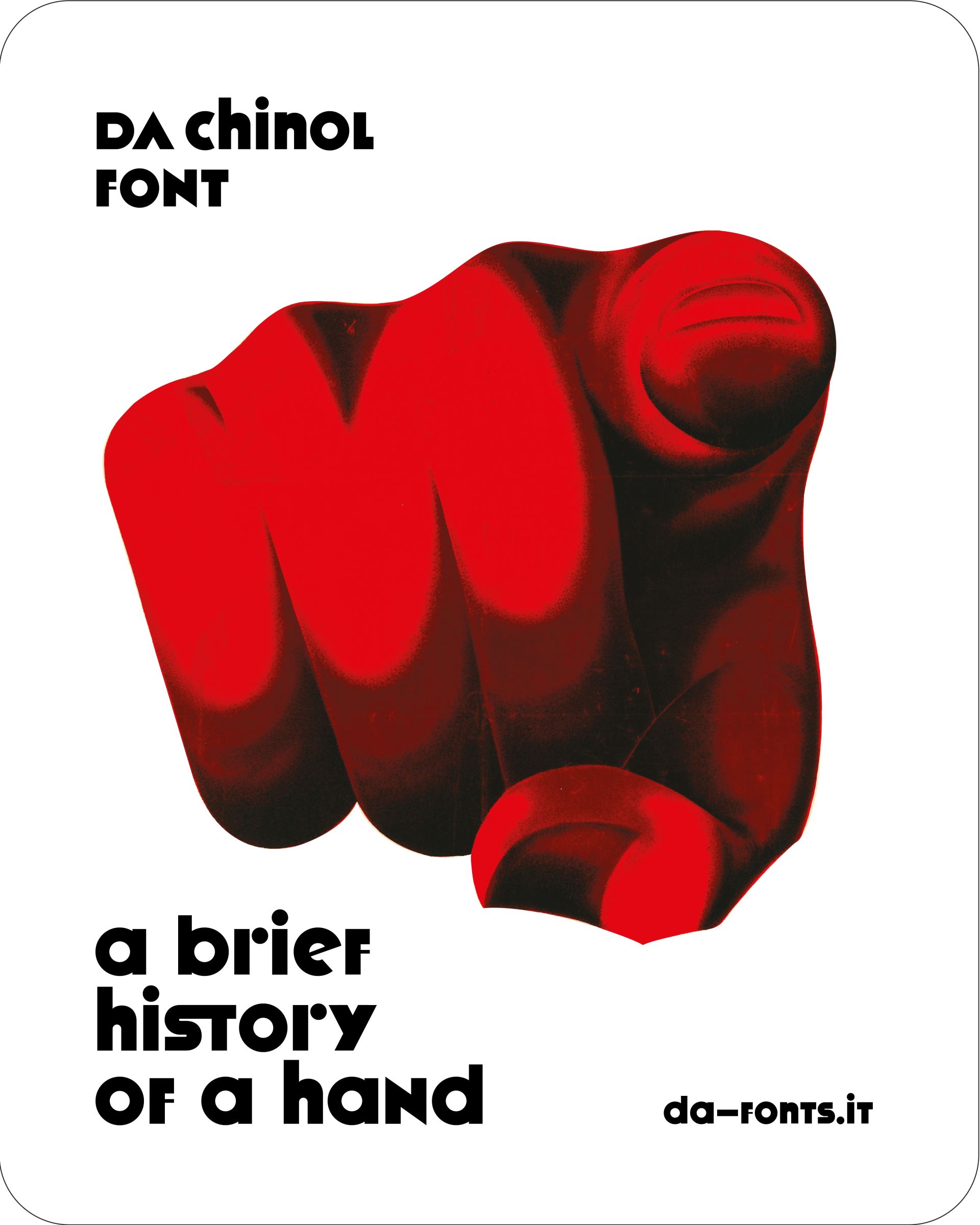
DA Chinol is a typeface developed from research on posters preserved in the Museo nazionale Collezione Salce, with particular reference to the advertising poster created in 1929 by Enzo Forlivesi Montanari, known by the pseudonym Araca, for the aperitif Chinol. The designer’s name derives from a Lunfardo expression meaning “attention!” or “good heavens!”, reflecting his cosmopolitan background between South America, France, and Italy, as well as his ability to merge different visual cultures into a distinctive graphic language.
The Chinol poster represents an interesting example of advertising graphics poised between Art Deco and modernism, where lettering plays a central role in the construction of the image. DA Chinol recovers and systematizes this alphabet, transforming it into a typeface suitable for contemporary applications while preserving the irregular charm of the original design.
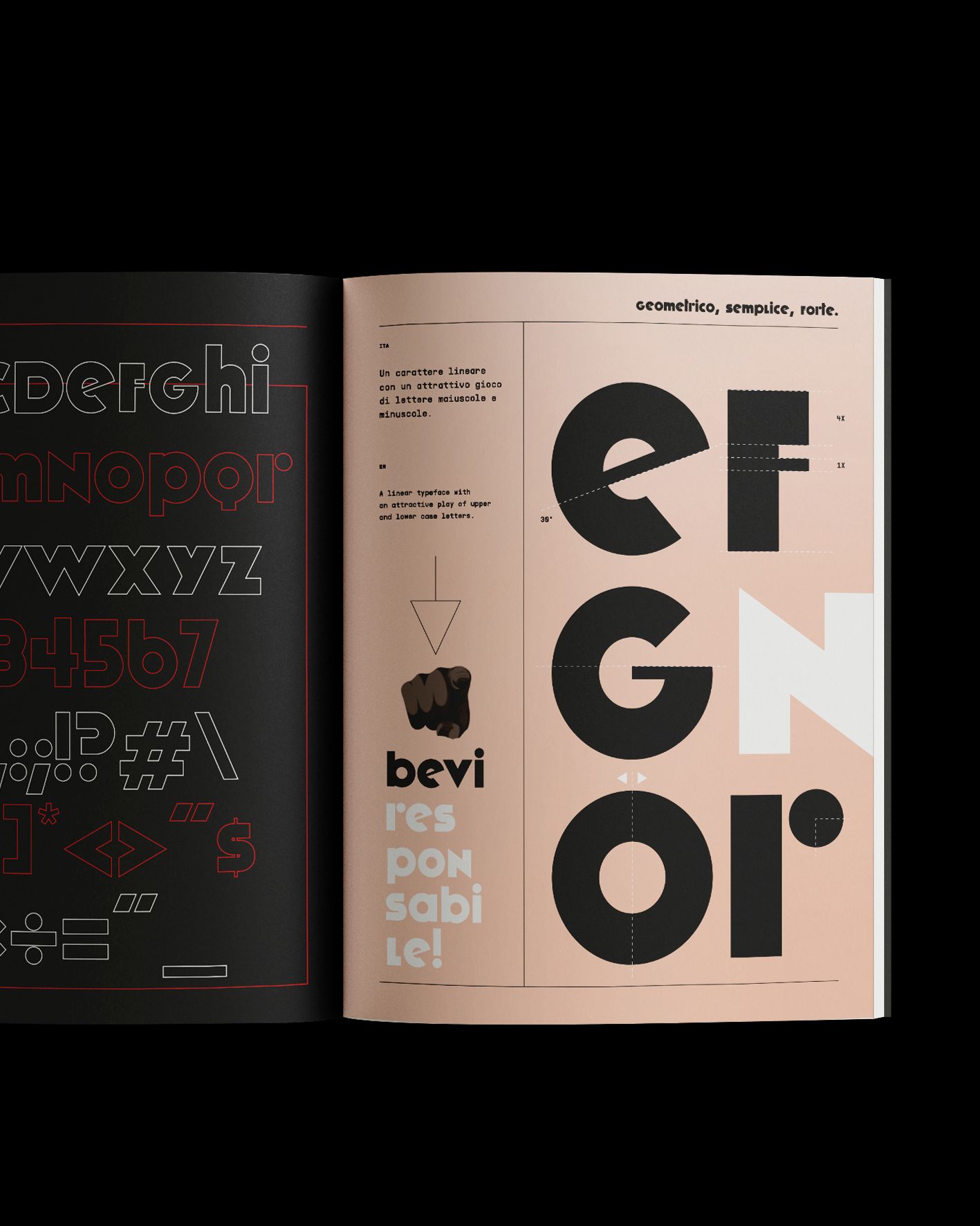
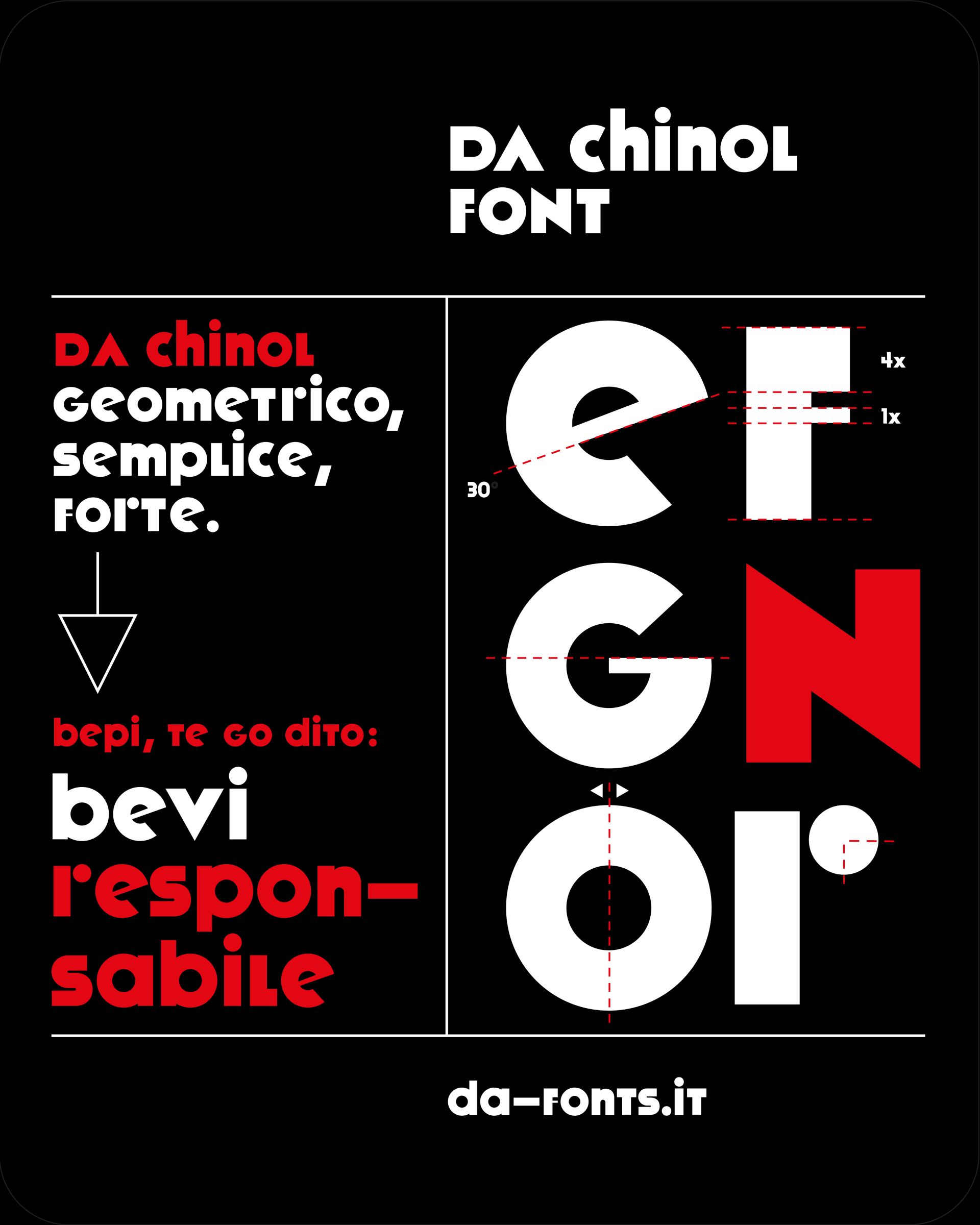
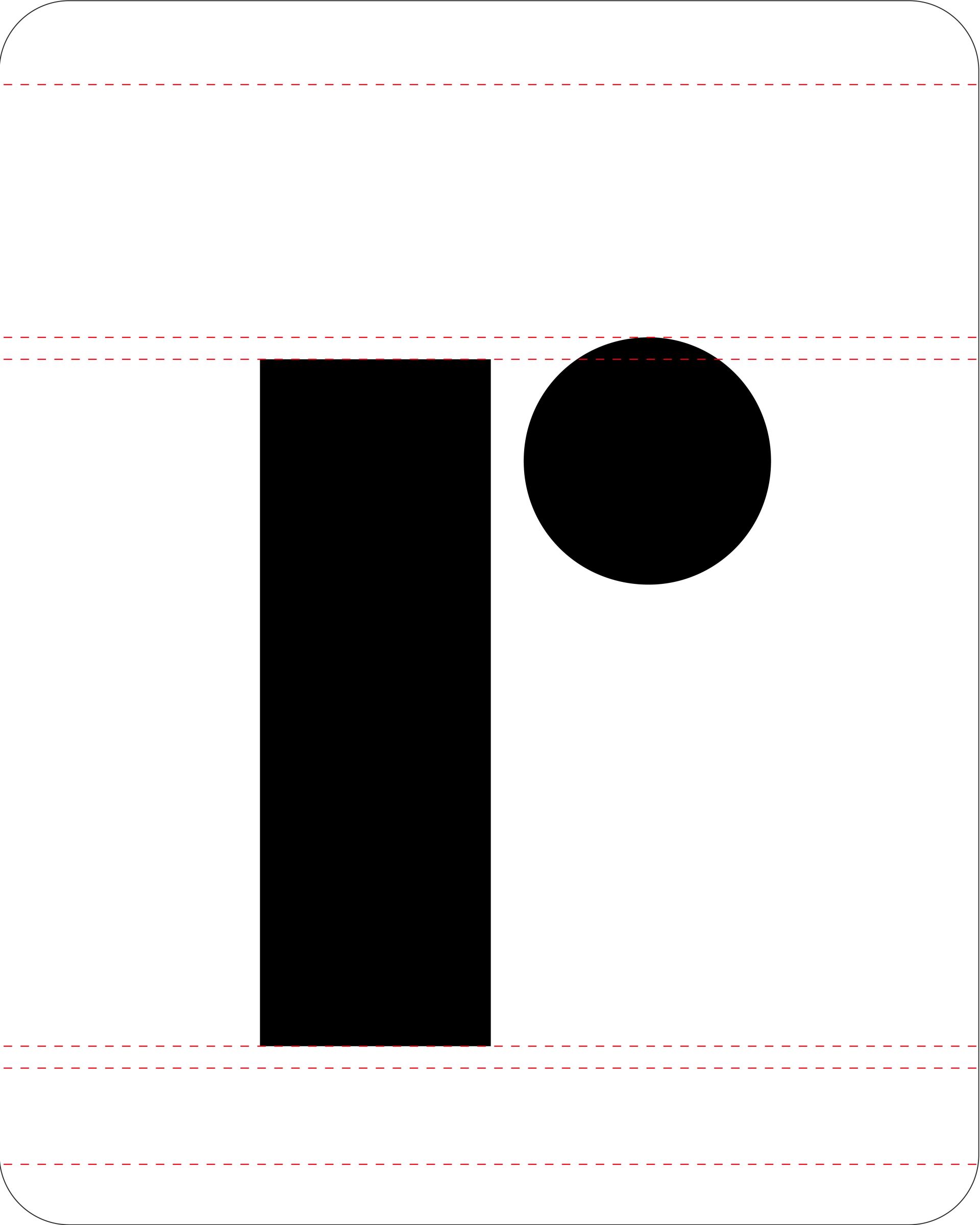
Morphologically, the typeface is distinguished by the alternation of uppercase and lowercase letters within the same word, a solution that introduces movement and unpredictability into the composition. Its structure is linear and monolinear, yet animated by a marked contrast between slender vertical strokes and soft curves. The letters feature narrow, vertically oriented proportions, with pointed or slightly tapered terminals that recall the Deco aesthetic. The counters are generous and contribute to legibility, while certain characters display unconventional constructions that reinforce the decorative quality of the overall design.
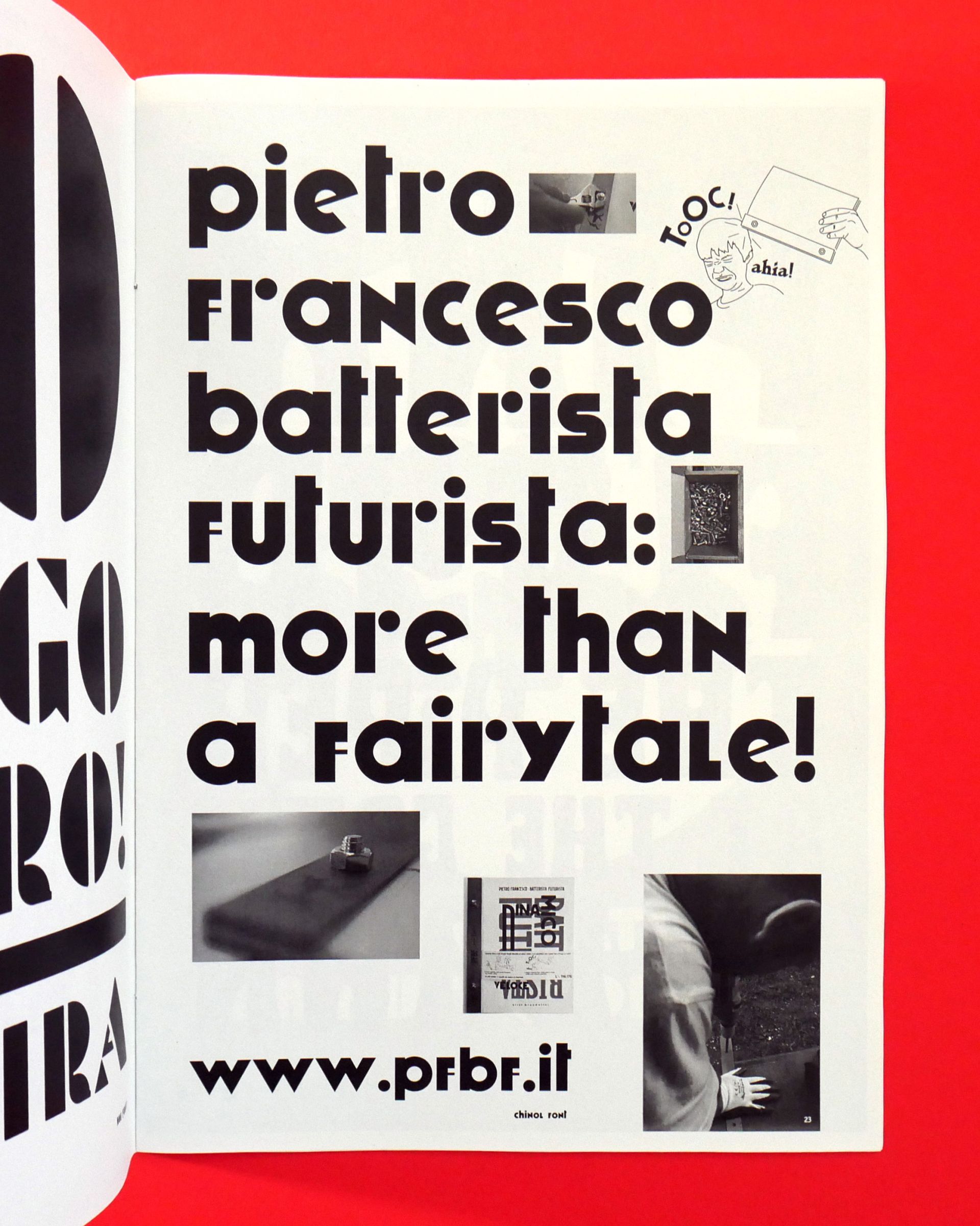
Designed for titling, packaging, visual identities, and exhibition design, DA Chinol translates the eccentric elegance of Italian advertising graphics from the 1920s and 1930s into typographic form, maintaining a balance between compositional rigor and expressive freedom.
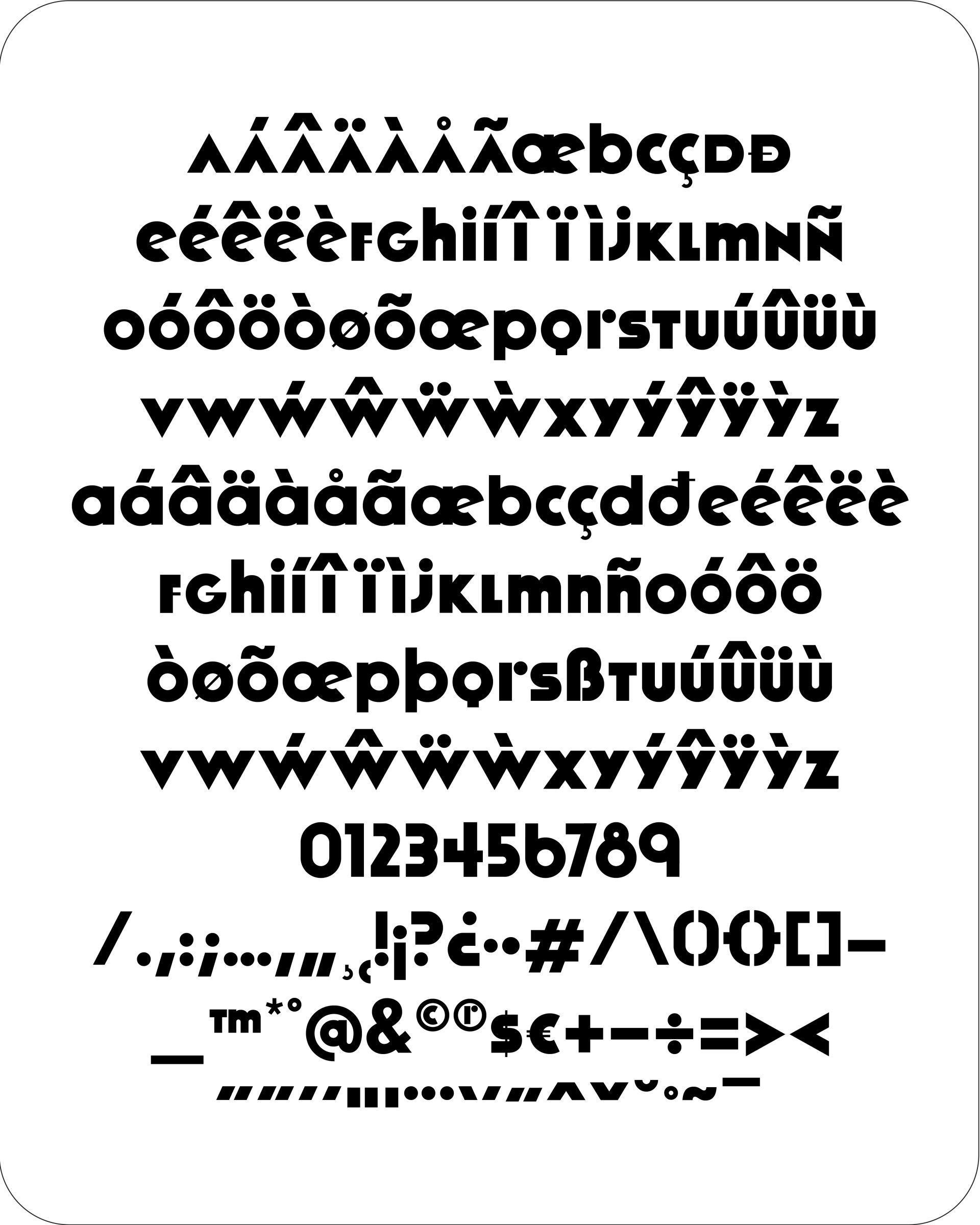
Glyphs
Basic Latin
Latin-1 Supplement
Latin Extended-A
Supported Languages
Our fonts only support Latin script based languages. The languages listed below is base on the unicode coverage, yet it doesn't ensure the local glyph variations. Feel free to reach out to us for inquiries or to request specific localizations.
Afrikaans, Albanian, Asu, Basque, Bemba, Bena, Breton, Catalan, Chiga, Colognian, Cornish, Croatian, Czech, Danish, Dutch, Embu, English, Esperanto, Estonian, Faroese, Filipino, Finnish, French, Friulian, Galician, Ganda, German, Gusii, Hungarian, Icelandic, Inari Sami, Indonesian, Irish, Italian, Jola-Fonyi, Kabuverdianu, Kalaallisut, Kalenjin, Kamba, Kikuyu, Kinyarwanda, Latvian, Lithuanian, Lower Sorbian, Luo, Luxembourgish, Luyia, Machame, Makhuwa-Meetto, Makonde, Malagasy, Maltese, Manx, Meru, Morisyen, Northern Sami, North Ndebele, Norwegian Bokmål, Norwegian Nynorsk, Nyankole, Oromo, Polish, Portuguese, Quechua, Romanian, Romansh, Rombo, Rundi, Rwa, Samburu, Sango, Sangu, Scottish Gaelic, Sena, Serbian, Shambala, Shona, Slovak, Slovenian, Soga, Somali, Spanish, Swahili, Swedish, Swiss German, Taita, Teso, Turkish, Upper Sorbian, Uzbek (Latin), Volapük, Vunjo, Walser, Welsh, Western Frisian, Zulu.
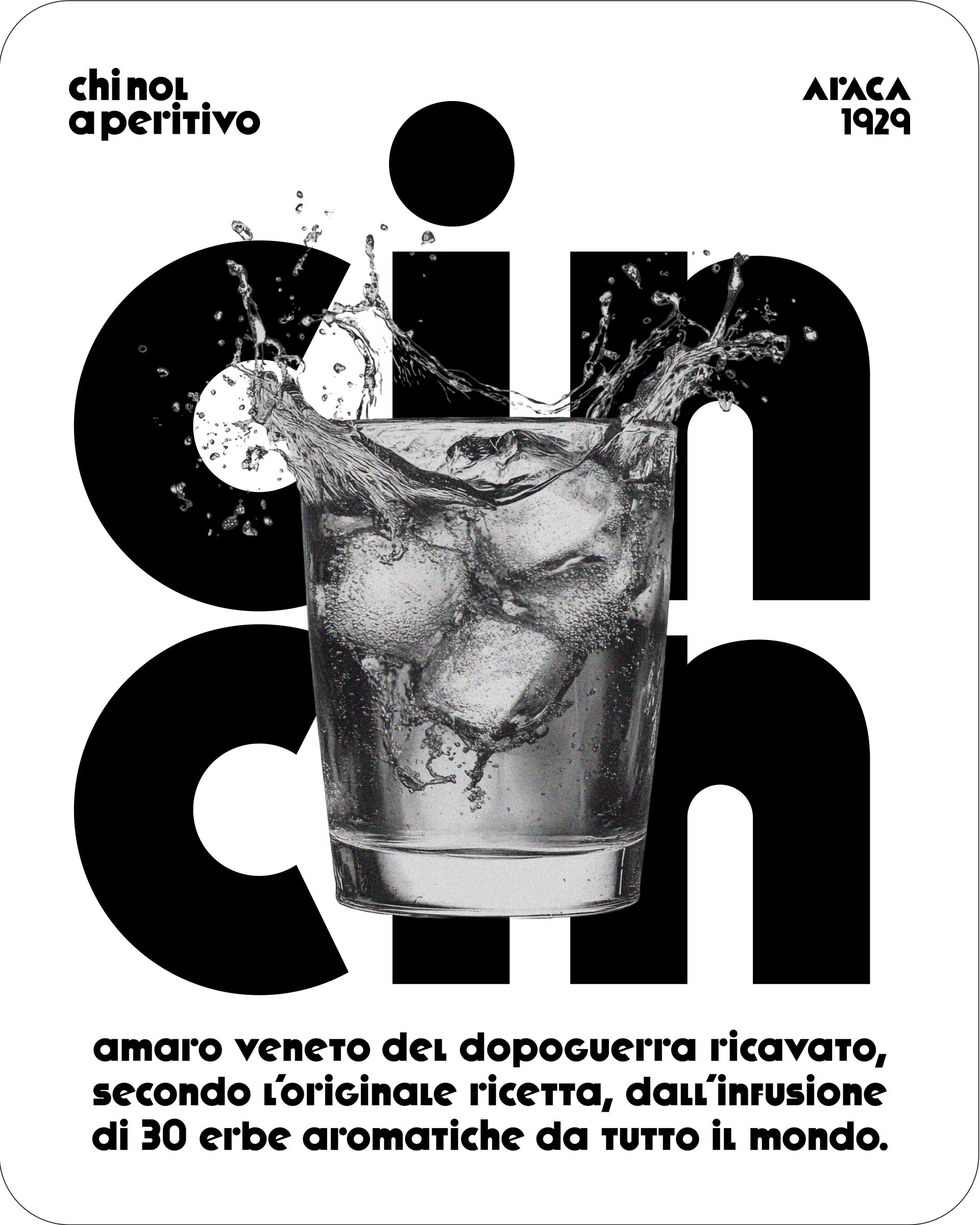
Font in use